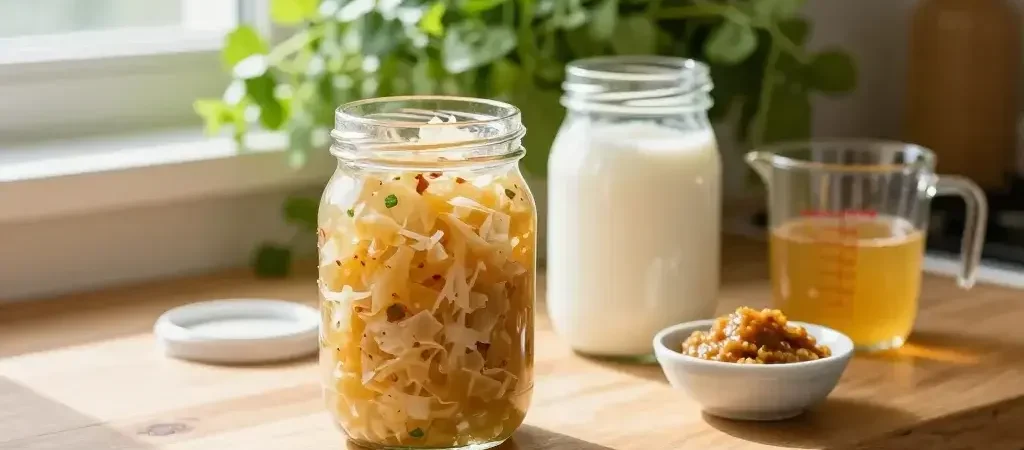
I’ve learned that gut happiness isn’t a mystery puzzle you solve with one magic smoothie. It’s a daily conversation with your digestive system, and a little routine goes a long way. Let’s chat about a simple, sustainable approach: a daily fermented foods routine that nudges your gut toward better balance—without turning your life into a science experiment.
What a daily fermented foods routine actually looks like
Want to feel lighter, less bloated, and more energized? Start with small, tasty steps and stack them into a habit. Fermented foods supply live cultures, enzymes, and sometimes fiber friends that help your gut microbiome thrive. The key is consistency, not doom-scrolling for fancy dishes at a hip market. FYI, your gut doesn’t need a moonlit ceremony—just steady, enjoyable practice.
Why fermenting helps your gut in the first place
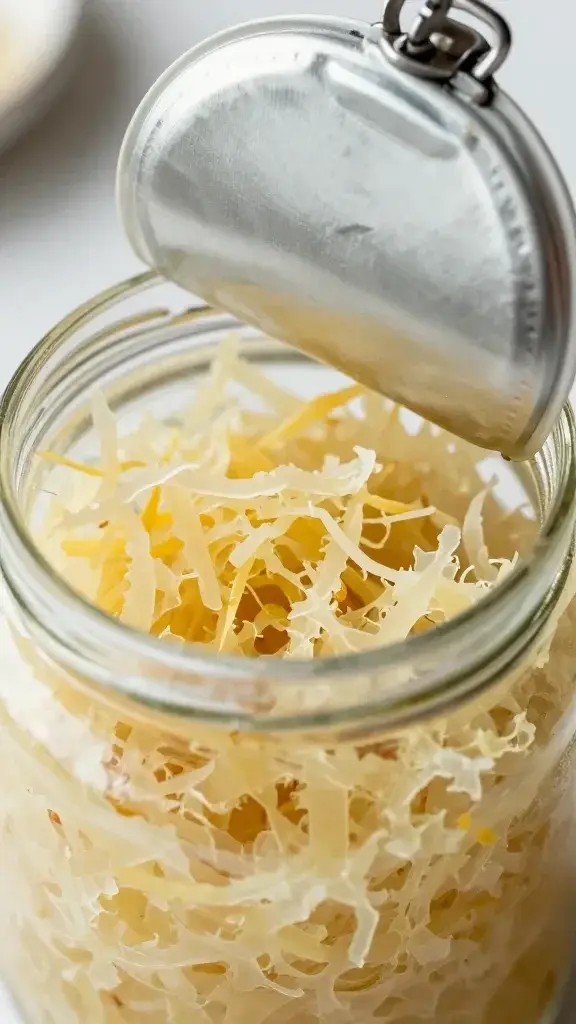
Fermentation is basically good bacteria doing a happy jig on your foods. This process creates probiotics and bioactive compounds that can support digestion and immune function. When you eat these foods regularly, you give your gut bacteria steady fuel, which can help with things like transit, gas, and occasional cravings for messy, unreliable snacks.
– Probiotics on a plate
– Enzymes that help you break down meals
– A little tangy flavor to keep meals exciting
Starting simple: the 7-day starter plan
Ready to dip your toes in without overhauling your kitchen? Here’s a gentle starter plan you can actually keep up.
- Day 1-2: Add a tablespoon of sauerkraut to one meal. It’s crunchy, tangy, and easy.
- Day 3-4: Switch one snack to yogurt with live cultures or a kefir smoothie. Sip, don’t gulp.
- Day 5-6: Include a small serving of kimchi or pickled vegetables with dinner.
- Day 7: Reflect on how you feel—more energy? fewer cravings? keep the wins going.
– Keep portions modest at first. Your gut isn’t impressed by a fermentation fireworks display.
– If dairy isn’t your friend, focus on sauerkraut, kimchi, miso, tempeh, or kombucha.
– Hydration matters. Water helps those probiotic particles move through smoothly.
Pick your fermented friends: a quick guide

Not all fermented foods are created equal for gut health. Here’s a quick cheat sheet to help you curate a balanced lineup.
Dairy-based options
– Yogurt with live cultures or drinking yogurt
– Kefir (a thinner, super drinkable dairy option)
– Fermented cheeses (think certain aged varieties; check labels)
Non-dairy options
– Sauerkraut, kimchi, and other fermented vegetables
– Miso (in soups or sauces)
– Tempeh and natto
– Kombucha and water kefir
Flavor boosters you can actually enjoy
– Fermented hot sauce
– Pickles with no added sugar
– Fermented salsa or chutney
Practical tips to keep this sustainable, not spooky
If you want a gut-friendly habit that sticks, you need two things: flavor and ease. Here are some tricks that actually work.
– Keep it visible: put a jar of sauerkraut in the fridge where you’ll see it every day. If you forget about it, the habit dies.
– Batch prep can be your best friend. Make a big jar of pickles or kimchi on a Sunday, then portions last the week.
– Start small, scale slowly. A teaspoon can become a tablespoon, which becomes a half cup—consistency beats intensity.
– Mind your stomach: if you notice bloating or discomfort after introducing new foods, back off a bit and reintroduce slowly. Your gut might just need a gentler pace.
Cooking with fermented foods without turning meals into a science project

You don’t need a lab coat to enjoy fermenteds. Here are quick ways to fold them into daily cooking.
Breakfast
– Add a spoonful of yogurt to smoothies or oats.
– Mix miso into a quick savory breakfast bowl for a gentle kick.
Lunch
– Top salads with sauerkraut or kimchi for crunch and tang.
– Stir miso into dressings for a salty, umami boost.
Dinner
– Use miso or tempeh as a protein base in one-pot bowls.
– Create a simple fermented vegetable side that complements your main dish.
Listening to your gut: when to pause or tweak
Your gut is chatty. If you notice persistent gas, bloating, or discomfort after introducing a new fermented food, slow down. It’s not a failed attempt; it’s your body signaling a different pace. IMO a minimal approach that’s gentle on your system tends to win in the long run.
– Start with one new item at a time.
– If you tolerate it, keep it in for a couple of weeks before adding another.
– If you don’t tolerate dairy, prioritize non-dairy options first.
– Hydration and fiber from other sources help balance the process.
Common myths, busted
There’s a ton of noise about fermentation online. Let’s debunk a few quick ones.
– Myth: More is always better. Reality: Start small and stay consistent.
– Myth: Every gut will love every fermented food. Reality: Individual tolerance varies; listen to your body.
– Myth: You must ferment everything yourself. Reality: Store-bought options are perfectly fine and convenient.
FAQ
Q: How quickly will I notice changes after starting daily fermented foods?
Pace varies, but most people feel subtle shifts within a few weeks—like less gas, smoother digestion, and more steady energy. If you’re aiming for dramatic changes, give it a couple of months and stay consistent.
Q: Can I eat fermented foods every day if I have IBS or a sensitive gut?
Yes, but proceed with caution. Start with tiny amounts and track your reactions. Some people with IBS do great with certain ferments, while others need to avoid specific items. FYI, a slow, individualized approach wins here.
Q: Do I need supplements if I eat fermented foods?
In most cases, no. A varied diet with regular fermented foods can cover your probiotic needs. If you have a diagnosed condition or dietary restrictions, check with a clinician before piling on supplements.
Q: Are store-bought ferments as good as making them at home?
Both can be excellent. Homemade ferments let you tailor salt, texture, and flavor, but store-bought options are convenient and safe when labeled with live cultures. If you’re new, start with store-bought to learn your taste and tolerance, then experiment at home if you’re into it.
Conclusion
If you want a gut-friendly boost that sticks, make fermented foods a daily friend rather than a once-in-a-while fling. Pick a few reliable staples, keep portions sensible, and let flavor guide you. Your gut will thank you with smoother digestion, better energy, and a little more everyday resilience. Remember: consistency beats intensity, and a playful, approachable approach keeps you on track. IMO this is a win-win for your tummy and your taste buds.